Commercial hygiene experts located in Brampton help maintain restaurants, food distribution facilities, bakeries, warehouses, and food service vehicles in compliance. They treat frequently handled areas, food prep surfaces, equipment, floors, drains, restrooms, and preparation zones with certified chemicals, in correct dilution, and with verified times.
Essential Summary
- Brampton food safety cleaning experts maintain restaurants, grocery departments, commissaries, warehouses, bakeries, schools, mobile vendors, and allergen-sensitive operations.
- Zone-based workflows treat high-touch surfaces, food-contact equipment, kitchens, floors, drains, restrooms, and storage areas for reducing cross-contamination.
- Qualified providers validate approved sanitizer dilution, suitability, and exposure duration, then file completion with swabs, reviews, and action records.
- Everyday, weekly, and periodic activities designated by zone form hygiene schedules founded on risk, production volume, switches, incidents, and guidelines.
- Opt for providers with HACCP, health regulatory, knowledge, safety training, education, insurance, references, color-categorized tools, and assessment-ready cleaning paperwork.
Which Brampton Operations Need Food Safety Cleaning?
You must follow food safety cleaning if your operation is covered by public health review, food regulations, or HACCP systems. This covers eateries, dining areas, supply warehouses, retail departments, meat counters, fish departments, general stores, and facility-based kitchens.
You also need adherent sanitation protocols in supply warehouses, manufacturing facilities, refrigerated storage, professional guide bakeries, school feeding programs, reception facilities, and delivery centers. Mobile and seasonal operations count too, including catering trucks, festival vendors, and pop-up food booths. If your staff handle ingredients, section prepared foods, heat finished items, or keep allergens stored, your facility needs written cleaning standards. In Brampton, cleanliness isn't elective; it's part of regulatory, business, and safety compliance.
Which Areas Do Brampton Cleaning Experts Cover?
Your facility requires professional cleaners who disinfect frequently contacted surfaces, kitchens, floors, and toilet facilities for food safety and health code adherence. These zones receive attention due to their elevated cross-contamination potential, trip and slip dangers, and violations of hygiene standards.
Understanding their cleaning procedures enables you to validate your facility's cleaning meets required standards and regulations.
Important High-Touch Surface Cleaning
Skilled Brampton cleaners recognize that high-touch surfaces demand cleaning since these areas contain microbes and organic residue. You must have a scheduling system for sterilizing frequently touched items like handles, plates, switches, railings, equipment controls, payment terminals, and fridge pulls. Using touchpoint mapping, professionals identify every high-traffic surface and assign cleaning frequency
testing surfaces to check sanitization outcomes
Kitchen Areas, Floor Surfaces, and Bathroom Spaces
Expect Brampton cleaning experts to target kitchens, floors, and restrooms because each area carries distinct food safety, slip-and-fall, and sanitation risks. In industrial kitchens, you need degreasing on cook lines, equipment exteriors, drains, prep surfaces, and splash zones to minimize bacterial growth and pest activity.
Professional floor upkeep with documentation is also included. is likewise provided as part of the service.
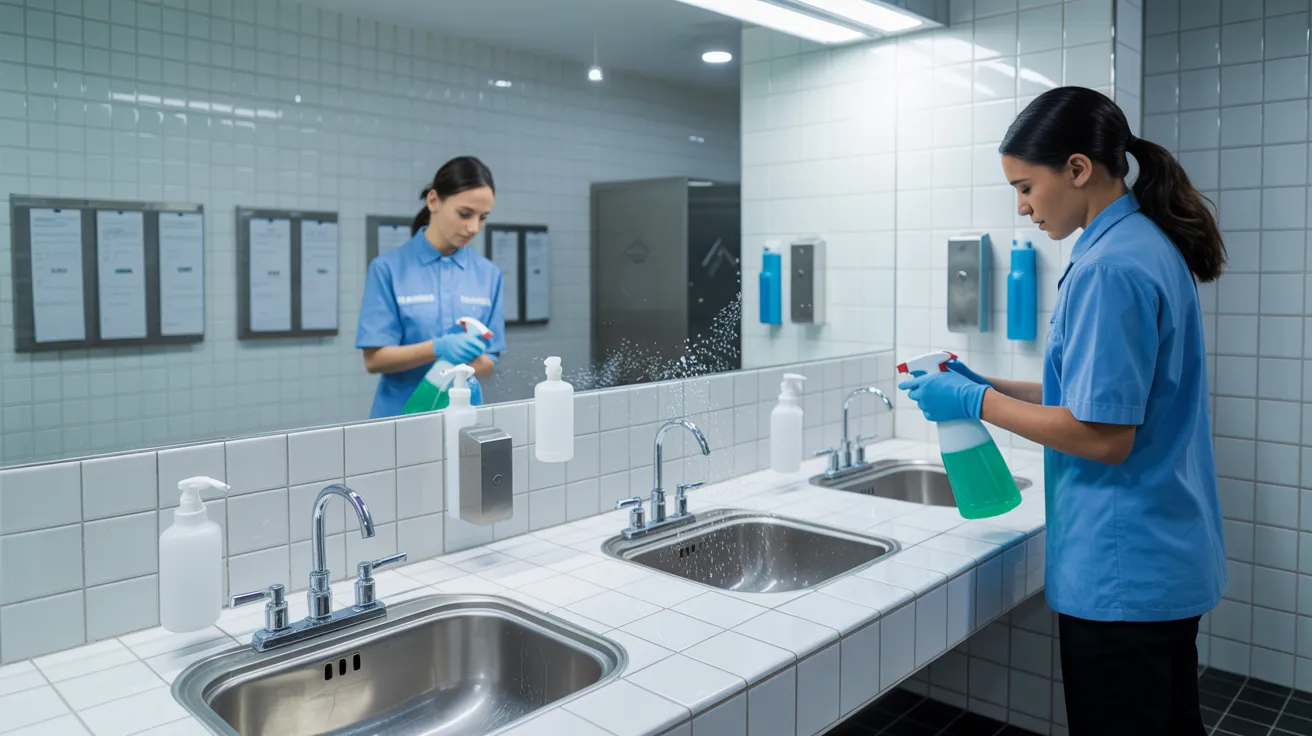
Restroom sanitation involves disinfecting surfaces, fittings, separators, dispensers, and containers, replenishing amenities and managing odor. They also maintain restaurant cleaning supply rooms where product storage, sink cleanliness, and drain systems impact daily sanitation standards and worker protection.
The Importance of Food Safety Cleaning in Brampton
To comply with regulatory mandates and pass inspections, Brampton facilities must maintain appropriate cleaning protocols. You also reduce bacterial spread through proper cleaning of food-preparation surfaces, appliances, and frequently-touched items. Most importantly, you help protect public health by lowering the risk of foodborne illness in your facility.
Food Safety Regulations
Because Brampton food businesses operate under mandatory safety protocols, food safety cleaning directly determines your capability to fulfill health code requirements, defend customers, and avoid enforcement action. You must maintain sanitized food contact points, documented cleaning schedules, proper chemical use, and traceable training practices that meet municipal and provincial inspection expectations.
During regulatory evaluation of your operation, regulators assess whether your cleaning procedures facilitates safe storage, tool sterilization, garbage disposal, and restroom sanitation. Detailed hygiene logs enable you to prove due diligence during inspection audits and indicate that your methods are reliable, consistent, and tracked.
Cross-Contamination Prevention
Meeting health code standards also depends on your capacity to stop cross-contamination during daily food handling and cleaning. You must keep raw items away from prepared dishes, sanitize prep surfaces between tasks, and store chemicals away from food-contact items. Clear procedures reduce transfer risks and support consistent compliance during inspections.
Implementing allergen segregation helps keep priority allergens from contacting shared surfaces, containers, or equipment. Deploy dedicated cutting boards, color-coded tools, and clear tool marking so workers don't combine products during preparation or service. Enforce hand hygiene following raw meat, seafood, eggs, or allergen-containing products. Replace wiping cloths regularly, and validate disinfectant levels using test strips. When you train staff to follow these controls every shift, you create a cleaner, safer operation that meets Brampton's food safety expectations regularly.
Community Health Protection
When sanitation protocols fails, you don't just face inspection failure—you heighten the likelihood of foodborne illness affecting customers, staff, and the wider Brampton community. You also weaken your role in safeguarding community wellness, especially in busy food facilities where pathogens travel quickly through surfaces, equipment, and touchpoints.
You depend on cleaning procedures that remove soils, properly disinfect, and verify results. This entails adhering to exposure times, utilizing authorized sanitizers, recording schedules, and coaching staff to fulfill compliance standards. These actions support disease prevention by suppressing pathogens before affecting food surfaces or hands. In Brampton, robust sanitation protects at-risk groups, minimizes disease spread, and demonstrates accountability. When you adhere to proper protocols, you go beyond regulations—you meaningfully lower danger and advance safer food handling throughout the city.
Why Is Cleaning Essential for Food Safety Compliance?
Maintaining thorough cleaning protocols strengthens food safety compliance by minimizing contamination hazards, limiting pathogen development, and keeping your facility aligned with sanitation requirements under HACCP-based programs and public health regulations. You validate that food-handling surfaces appear visibly clean and microbiologically controlled, facilitating documented preventive controls and inspection readiness.
Systematic cleaning additionally solidifies allergen prevention by eliminating residues that can provoke undeclared allergen exposure. When you pair established sanitation practices with regulatory training, your staff can execute established protocols, apply approved chemicals properly, complete records correctly, and handle variations prior to escalation occurs. Regular cleaning promotes product tracking, verifies corrective steps, and shows due diligence when audited. It also helps you maintain product quality, preserve operational adherence, and reduce the possibility of regulatory actions, market recalls, formal complaints, and avoidable safety threats.
Establishing When to Schedule Commercial Cleaning
maintenance activities.
schedule cleaning right prior to and following for successful event turnaround.
What Should You Look For in Brampton Cleaning Experts?
Evaluate providers first by sanitation compliance standards rather than price alone. You must ensure each provider understands CFIA, public health, and HACCP-aligned expectations for your business. Request insurance proof, WHMIS compliance, staff training documentation, and supervision methods. Check technician awareness of cross-contamination risks, chemical handling, and traceable sanitation records.
You must also evaluate operational reliability and oversight. Seek references from food facilities in Brampton, then assess response times, corrective-action procedures, and communication standards. Ensure the company supports supplier audits and can provide inspection-ready documentation when authorities or third parties demand verification. Verify equipment is maintained, color-coded items are deployed correctly, and operational-specific risks are understood. A reputable service safeguards compliance, product integrity, and your market standing.
What details should a sanitation plan contain?
Create a documented plan that clarifies every sanitation responsibility, standard, and task prior to production start. You should outline cleaning frequencies, approved chemicals, dilution rates, contact times, tools, and verification methods for each location, surface, and apparatus. Incorporate pre-operational inspections, corrective actions, and employee training requirements.
Your plan should also cover cross-contamination controls, waste handling, pest-prevention measures, and documented schedules for restrooms, drains, floors, and food-contact areas. Detail how you'll keep raw and prepared foods apart, enable ingredient tracking, and maintain accurate allergen labeling through validated cleaning between product changes. You should designate accountability, keep signed records, and review results against regulatory standards, HACCP controls, and customer requirements. When gaps appear, update procedures immediately and re-educate staff.
Commonly Asked Inquiries
Do sanitation providers operate during overnight shifts at Brampton properties?
If you manage regulated spaces, you'll also require records that support audits and maintain assurance.
Are hazard containment solutions available from Brampton cleaning experts?
Yes, you can find many Brampton sanitation professionals who offer emergency spill response solutions. They handle contamination, assess risks, isolate affected areas, and begin swift cleanup to reduce exposure and prevent business interruption. You should confirm response times, training certifications, PPE protocols, and waste management. If your facility must comply with industry standards, select a service that records events, maintains regulatory procedures, and enables compliance verification.
Will plant-based disinfectants clean safely surfaces contacting food?
Absolutely, eco-friendly disinfectants remain secure for food preparation areas when you opt for products labeled food safe and satisfying regulatory requirements. You must check contact times, mixing proportions, and rinse requirements prior to application. Natural-based solutions minimize chemical burden, though you still need evidence of effectiveness against specific pathogens. For maintaining residue free surfaces, implement precise manufacturer instructions and verify your cleaning agent complies with relevant food safety standards.
Will sanitation programs adjust for seasonal production changes?
Yes, you can tailor sanitation programs for production fluctuations. You should adapt intervals, staff levels, chemicals, and testing procedures to align with seasonal workflows while preserving compliance standards. You'll lower operational delays by planning sanitization around line changes, peak seasons, and operational patterns. You should also update SSOPs, training, and monitoring protocols to reflect temporary risks, novel allergens, or increased soil loads. Ongoing evaluations preserve your program functional.
Do commercial cleaning providers instruct your team in proper hygiene techniques?
Absolutely, commercial cleaners regularly deliver employee education on hygiene standards. Your staff gets instruction on correct chemical handling, contact times, contamination avoidance, equipment disassembly, and paperwork. They typically align guidance with HACCP, GMP, and CFIA or local public health standards. Many also perform sanitation audits to ensure adherence, pinpoint weaknesses, and reinforce corrective actions. This enables you to sustain uniform standards, clear audits, and reduce food safety risks routinely.
Summary
Through engaging Brampton commercial cleaning and food safety specialists, you do far more than tidy—you keep your operation prepared for audits and your procedures meet requirements. From kitchen spaces to processing areas, all maintained surfaces and kept corners help prevent pest problems and prevent significant costs. Through scheduling maintenance on suitable timelines and sticking to a solid cleaning plan, you ensure protection for your team, clients, and your standing. Within strict regulatory frameworks, proper sanitation must be a priority—they represent good business practice.